Boron nitride ceramic and zirconia are both used in thermal barrier coatings, but they serve different needs. Zirconia has been the standard choice for many years. It handles high heat well and sticks firmly to metal parts. This makes it common in jet engines and gas turbines. Still, zirconia can break down over time when exposed to very high temperatures or harsh conditions.
(How Does Boron Nitride Ceramic Compare to Zirconia for Thermal Barrier Coating Applications)
Boron nitride offers a different set of strengths. It stays stable at extreme temperatures and resists thermal shock better than zirconia. It also has low thermal conductivity, which helps block heat effectively. Another plus is its lubricity—it reduces friction between surfaces. This trait is useful in moving parts that face intense heat.
However, boron nitride does not bond as strongly to metals as zirconia does. That limits its use in some high-stress applications. Engineers often need to add extra layers or treatments to make it stick properly. Zirconia remains easier to apply in standard industrial processes.
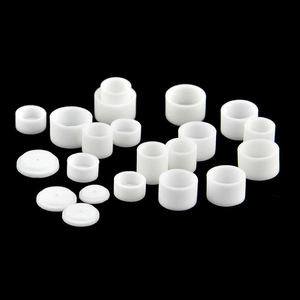
(How Does Boron Nitride Ceramic Compare to Zirconia for Thermal Barrier Coating Applications)
Both materials have their place. Zirconia works best where strong adhesion and proven performance matter most. Boron nitride shines in situations that demand stability under rapid temperature changes or where smooth surface interaction is key. Researchers continue to test new ways to combine the two or improve each one’s weak points. The goal is to build better coatings that last longer and perform under tougher conditions.