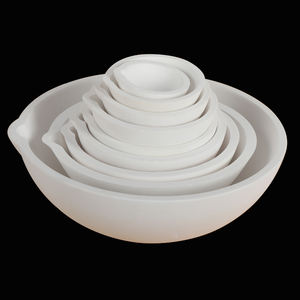
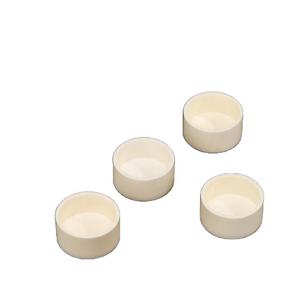
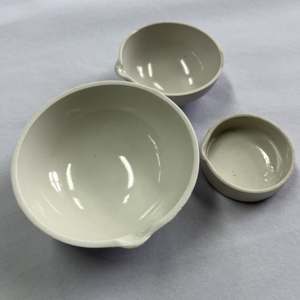
Manufacturers are finding new ways to improve the green machining process for boron nitride ceramic parts. This step happens before sintering and shapes raw ceramic material into near-final forms. Doing it right saves time, cuts waste, and lowers costs.
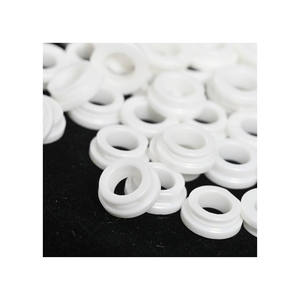
(How to Optimize the Green Machining Process for Boron Nitride Ceramic Parts)
One key factor is controlling moisture content in the green body. Too much or too little water makes the material hard to machine cleanly. Experts suggest keeping moisture levels steady and within a narrow range. This helps avoid cracks and chipping during cutting or drilling.
Tool selection also matters a lot. Soft boron nitride green bodies need sharp, fine-edged tools made from materials like carbide. Dull tools press too hard and damage the part. Using the right speed and feed rate prevents smearing and keeps edges crisp.
Coolant use is another point to watch. Some teams skip coolant to keep things simple. But a light mist or air blast can remove dust and cool the tool without soaking the part. Wet coolant may weaken the green body, so dry or minimal methods work better.
Fixturing must hold the part firmly but gently. Boron nitride in its green state is fragile. Strong clamps cause breakage. Soft jaws or vacuum tables give support without pressure marks.
Process monitoring helps catch issues early. Checking dimensions and surface quality after each step ensures consistency. Small adjustments during machining prevent big problems later.
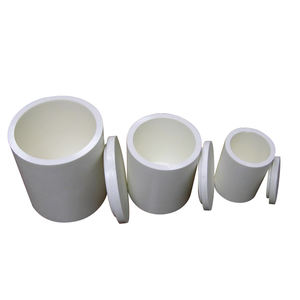
(How to Optimize the Green Machining Process for Boron Nitride Ceramic Parts)
Together, these steps make green machining more reliable for boron nitride ceramics. Companies that follow them see fewer rejects and smoother production flows. The result is high-quality parts ready for sintering with less rework.