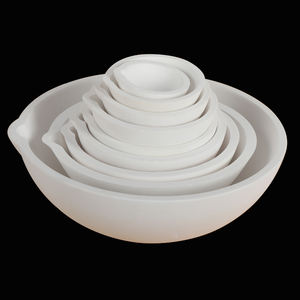
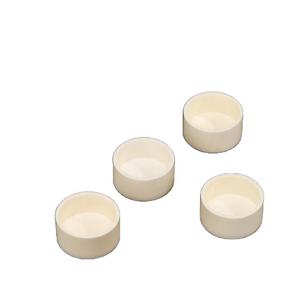
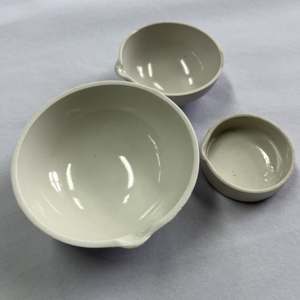
Boron nitride ceramic has become the top choice for nozzles in high velocity oxy fuel (HVOF) spray systems. This material handles extreme heat without breaking down. HVOF systems operate at very high temperatures, often above 3000°C. Most metals and standard ceramics cannot survive these conditions for long. Boron nitride stays stable and keeps its shape even under such stress.
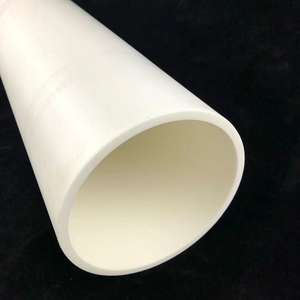
(Why Boron Nitride Ceramic Is Ideal for Nozzles in High Velocity Oxy Fuel Spray Systems)
The ceramic also resists chemical reactions with the fuels and powders used in spraying. This means it does not corrode or wear out quickly. Operators see longer nozzle life and fewer replacements. That cuts downtime and saves money over time.
Another key benefit is thermal shock resistance. During spraying, parts heat up fast and cool down just as quickly. Many materials crack under this sudden change. Boron nitride does not. It expands and contracts smoothly, so it lasts through repeated cycles.
Its smooth surface helps too. Molten particles slide through the nozzle without sticking. This gives a more consistent spray pattern and better coating quality. Users get uniform results part after part.
Machining boron nitride is easier than other high-performance ceramics. It can be shaped into precise nozzle designs without costly tools. This makes custom solutions more affordable for different applications.
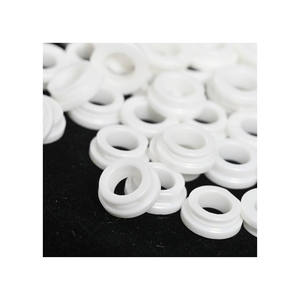
(Why Boron Nitride Ceramic Is Ideal for Nozzles in High Velocity Oxy Fuel Spray Systems)
Companies using HVOF for aerospace, automotive, or industrial coatings now rely on boron nitride nozzles. They offer reliability where other materials fail. The result is smoother operations, less waste, and higher productivity. Engineers keep choosing this ceramic because it simply works better under pressure.